
Life-Saving CPR: Why Everyone Should Learn It and How to Administer
1-Click Audio Report (Universal Voice)
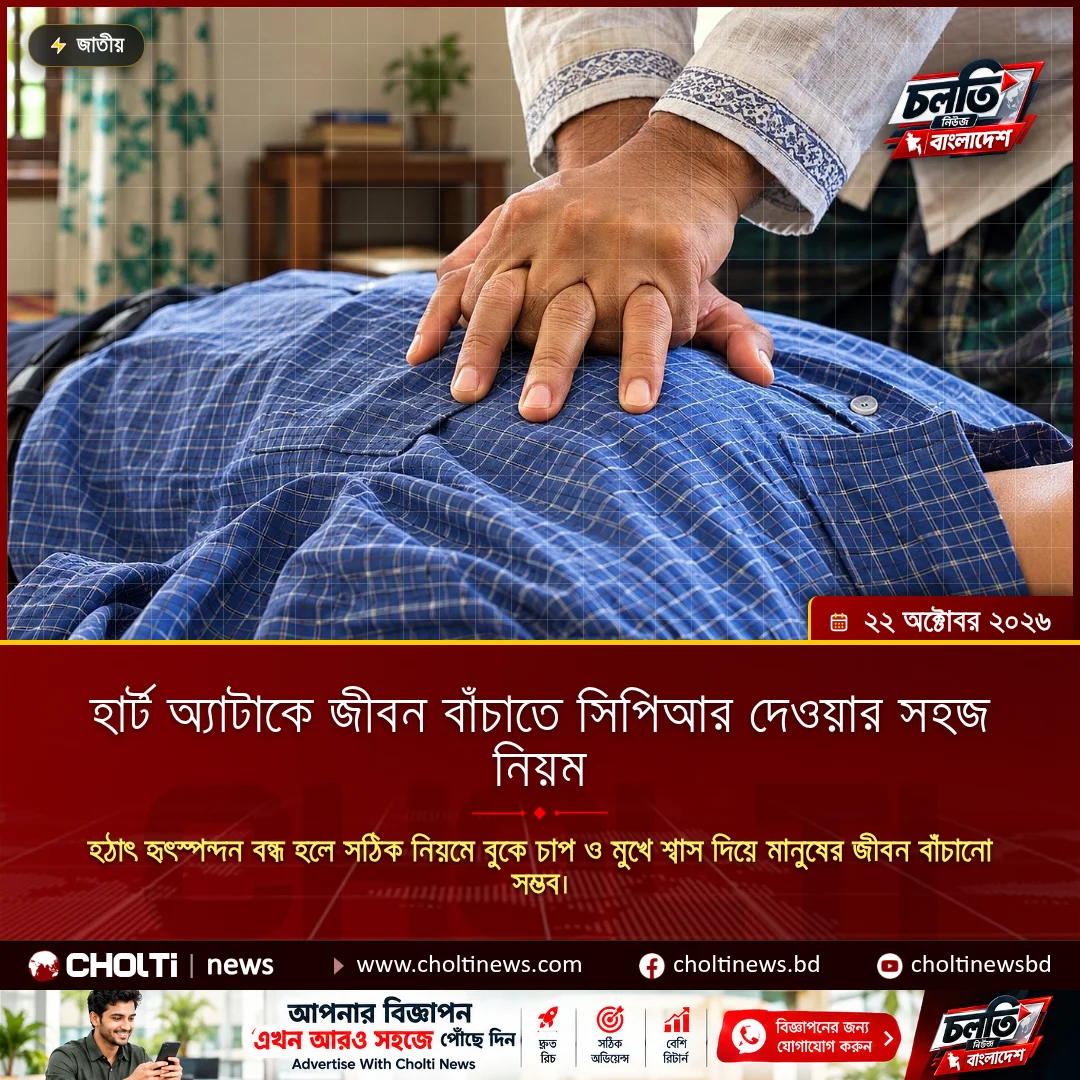
Cardiopulmonary Resuscitation (CPR) is an emergency procedure that can save lives during sudden cardiac arrest. Administering chest compressions and artificial breaths on time keeps vital blood flowing until professional help arrives.
- CPR must be started immediately if an unconscious person lacks a pulse or breathing.
- Chest compressions should be delivered at a rate of 100 to 120 times per minute.
- The standard life-saving cycle requires 2 rescue breaths after every 30 chest compressions.
National Investment & Sovereign Savings Bond Scheme
Secure high guaranteed yields backed by official treasury securities.
Sudden collapse or unconsciousness can strike anyone, anywhere, whether at an office, playground, or home. When a seemingly healthy individual suddenly experiences cardiac arrest, their heart abruptly stops beating. In such critical moments, the few minutes before an ambulance arrives are decisive between life and death. Performing Cardiopulmonary Resuscitation (CPR) immediately during this window can keep the patient alive.
If someone suddenly loses consciousness, responders must first verify their responsiveness and place them in a safe setting. Check the carotid pulse in the neck and monitor for signs of breathing within ten seconds. If there is no detectable pulse or normal breathing, emergency services should be contacted immediately, and CPR preparations must begin on a flat, firm surface without delay.
Administering CPR involves placing the heel of one hand over the center of the chest with the other hand interlaced on top, delivering firm compressions about two inches deep. The recommended compression rate is 100 to 120 beats per minute. For every 30 compressions, two rescue breaths should be provided by pinching the patient's nose and sealing their mouth, repeating this cycle until medical professionals take over.
Medical experts emphasize that basic CPR training is a vital civic skill that every family should possess. Many preventable deaths during transit could be averted if ordinary citizens were equipped with this life-saving technique. Introducing mandatory CPR training in schools, colleges, and workplaces would substantially improve survival rates during sudden medical emergencies across the country.
“Promoting widespread public awareness and practical first-aid education is essential to curb sudden cardiac arrest fatalities. Equipping citizens with basic CPR skills can save thousands of lives each year.”
Digital Innovation Summit 2026
Join South Asia's leading tech and AI entrepreneurship summit.