
Iran Threatens Total Gulf Oil Blockade: Fears of Global Energy Market Turmoil Escalate
1-Click Audio Report (Universal Voice)
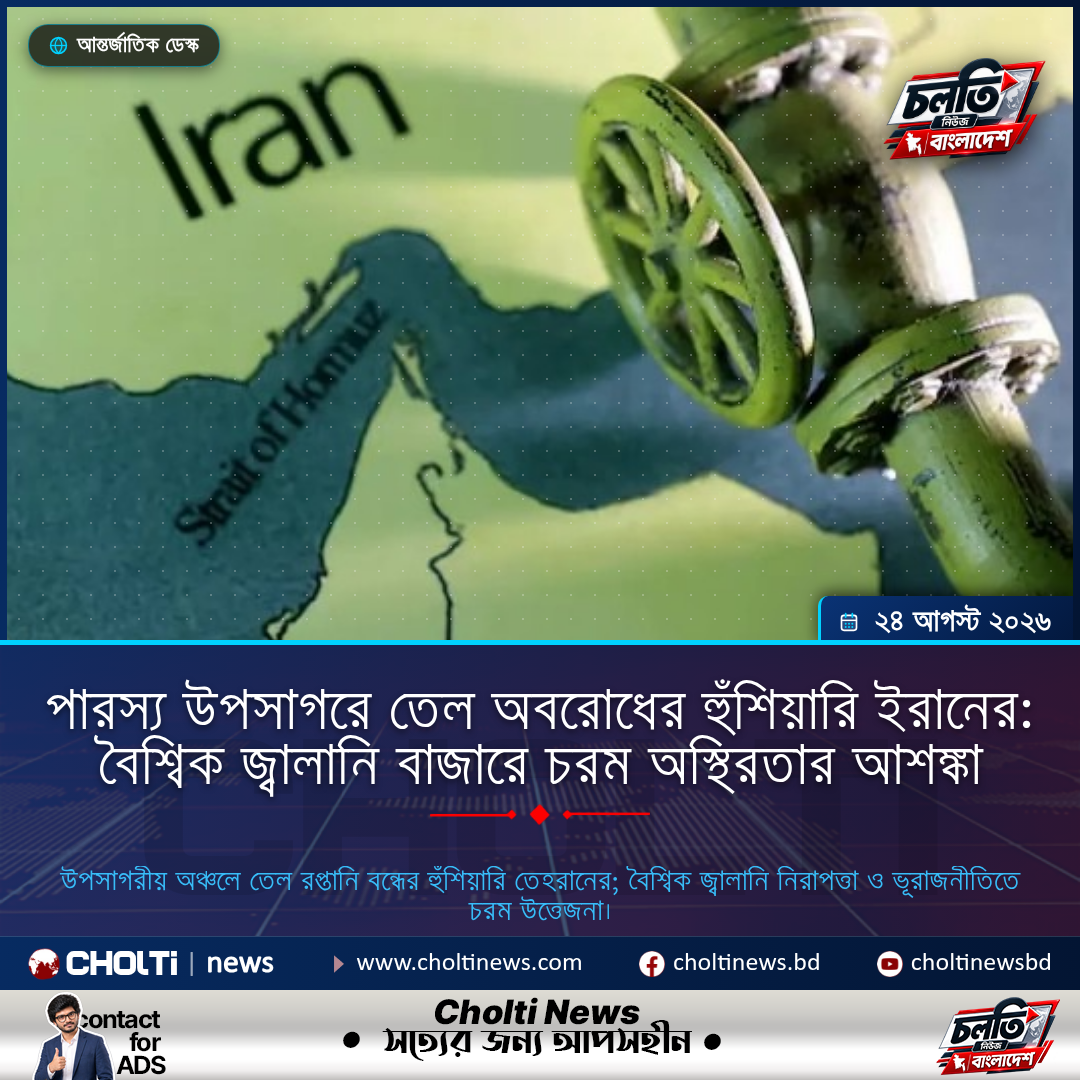
Iran has issued a stern warning that it will not permit any oil exports from the Persian Gulf if its own exports are blocked. This escalation, driven by ongoing sanctions and regional geopolitical friction, threatens to disrupt global energy supply chains and destabilize international markets.
- Iranian military and political leaders have threatened to halt all oil exports through the Persian Gulf and the strategic Strait of Hormuz.
- Tehran's aggressive stance comes as a direct countermeasure to crippling US economic sanctions and international pressure.
- With nearly one-fifth of the world's crude oil passing through this maritime route, global energy prices face severe volatility risks.
National Investment & Sovereign Savings Bond Scheme
Secure high guaranteed yields backed by official treasury securities.
Iran has triggered fresh waves of geopolitical and economic anxiety globally by warning that it will not allow a single drop of oil to be exported from the Persian Gulf. This aggressive stance from Tehran's policymakers is widely viewed as a direct retaliation against ongoing international sanctions targeting its economy. The implicit threat to blockade the strategic Strait of Hormuz poses a severe test to global energy security and maritime trade. This escalating tension not only destabilizes the Middle East but also threatens to directly impact global consumers through soaring fuel prices.
Historically, the Strait of Hormuz has served as the world's most critical energy transit chokepoint, with nearly 20 million barrels of crude oil passing through it daily. Whenever the United States attempts to reduce Iran's oil exports to zero, Tehran responds by threatening to shut down this vital waterway. Past incidents involving tanker seizures and military drills have repeatedly brought Washington and Tehran to the brink of direct military confrontation. Analysts warn that Iran's threats are backed by substantial naval and missile capabilities, making a potential blockade a highly disruptive reality.
In response to the threats, the US Fifth Fleet and its regional allies have intensified maritime patrols and security measures in the Gulf. Major oil-producing nations like Saudi Arabia and the UAE are exploring alternative pipeline routes, though these cannot fully replace the capacity of the Strait of Hormuz. The international community, led by the United Nations, has urged all parties to exercise maximum restraint to prevent a catastrophic military miscalculation. Concurrently, global oil refineries are scrambling to secure alternative supply sources to mitigate potential disruptions.
Weaponizing energy corridors highlights the fragility of international maritime laws and the vulnerability of global free trade. This protracted geopolitical standoff between Iran and Western powers ultimately penalizes developing economies, which bear the brunt of energy price shocks. Rather than relying on unilateral sanctions or military posturing, a sustainable diplomatic resolution is imperative to ensure global stability. Failure to de-escalate the Persian Gulf crisis could inadvertently plunge the global economy into a severe and prolonged recession.
“Iran's threat underscores the extreme vulnerability of global energy security, where a single chokepoint can hold the global economy hostage. Without transitioning from sanctions and military posturing to constructive diplomacy, innocent nations will continue to bear the economic brunt of this conflict.”
Digital Innovation Summit 2026
Join South Asia's leading tech and AI entrepreneurship summit.